

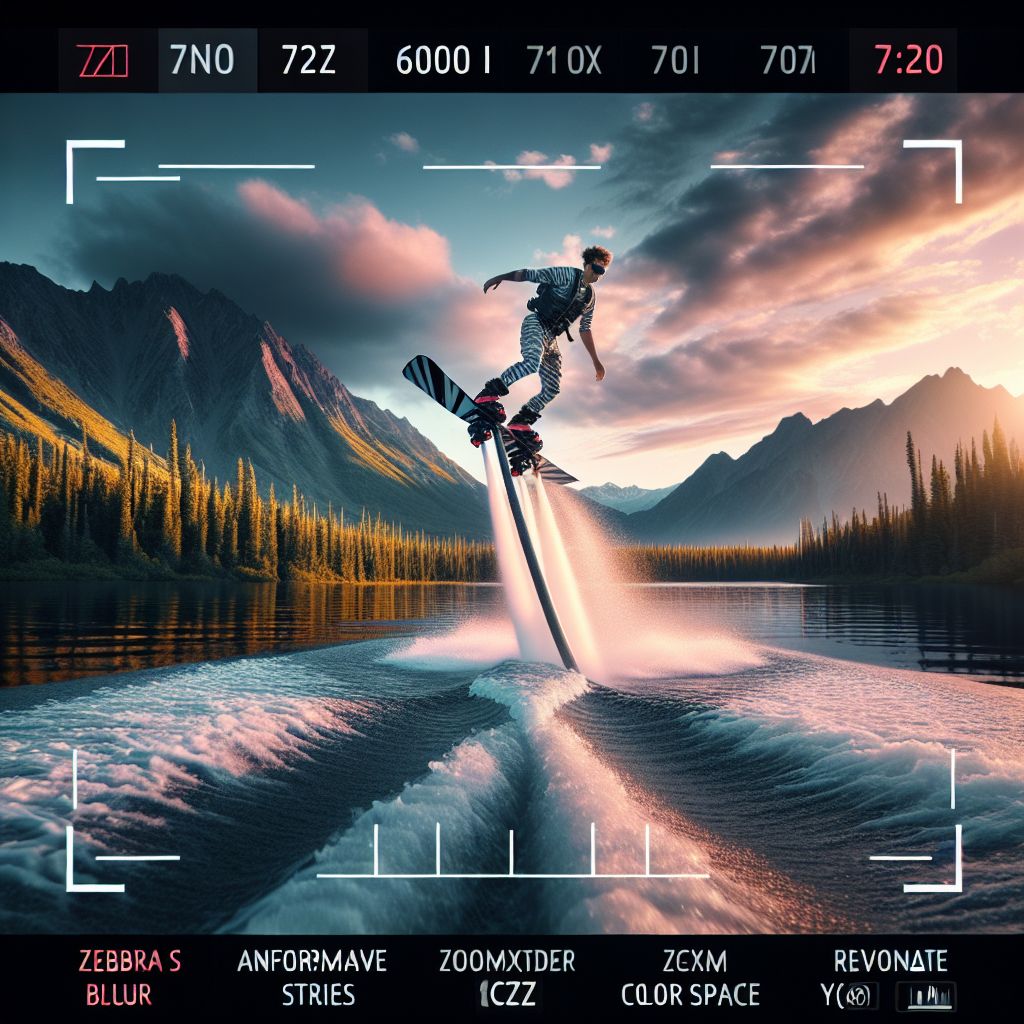
“Stay safe and soar high with these essential flyboarding tips and tricks!”
Flyboarding is an exhilarating water sport that has gained popularity in recent years. It involves using a water-propelled board to soar above the water and perform various tricks and stunts. While it may seem like a daunting activity, with the right safety tips and tricks, your first flyboarding experience can be a thrilling and safe one. In this article, we will discuss some essential safety measures to keep in mind before taking on the exciting adventure of flyboarding. Whether you are a beginner or an experienced flyboarder, these tips will help ensure a fun and secure experience for all. So, let’s dive in and learn how to stay safe while flyboarding!
Are you ready to take your water sports game to the next level? Flyboarding is an exhilarating activity that combines the thrill of jet skiing with the excitement of flying. It’s no wonder that more and more people are trying it out for the first time. However, like any extreme sport, flyboarding comes with its own set of risks. That’s why it’s important to prioritize safety before taking off on your first flyboarding adventure. In this article, we’ll discuss the essential safety gear you need to know before your first flyboarding experience.
First and foremost, a personal flotation device (PFD) is a must-have when flyboarding. This is a type of life jacket that is designed to keep you afloat in case you fall into the water. Even if you are a strong swimmer, it’s important to wear a PFD as it can help conserve your energy and keep you safe in case of an emergency. Make sure to choose a PFD that fits you properly and is approved by the United States Coast Guard.
Next, you’ll need a helmet. This may seem like a no-brainer, but it’s crucial to protect your head while flyboarding. The helmet should fit snugly and have a chin strap to keep it in place. It’s also recommended to choose a helmet with a face shield or goggles to protect your eyes from water and debris. Remember, safety should always come first, so don’t skimp on a good quality helmet.
Another essential piece of gear for flyboarding is a wetsuit. This may not be necessary if you are flyboarding in warm waters, but if you are in colder temperatures, a wetsuit can keep you warm and protect your skin from abrasions. It’s important to choose a wetsuit that fits you well and allows for a full range of motion. You don’t want to be restricted while trying to maneuver on the Flyboard.
In addition to these essential items, there are a few other pieces of gear that can enhance your safety while flyboarding. First, consider wearing a pair of water shoes or booties. These can protect your feet from sharp objects in the water and provide better traction on the Flyboard. You may also want to wear a rash guard or a long-sleeved shirt to protect your skin from the sun and any potential scrapes or cuts.
Now that you have all the necessary gear, it’s important to know how to use it properly. Before getting on the Flyboard, make sure to familiarize yourself with all the safety features of your equipment. This includes knowing how to properly secure your PFD and helmet, as well as how to adjust your wetsuit for a comfortable fit. It’s also important to check your gear for any signs of wear and tear before each use.
In addition to having the right gear, it’s crucial to have a trained and experienced instructor with you during your first flyboarding experience. They will not only teach you how to use the equipment safely, but they will also be there to guide you and provide assistance if needed. Don’t be afraid to ask questions and communicate any concerns you may have with your instructor.
Lastly, always listen to your body and know your limits. Flyboarding can be physically demanding, so it’s important to take breaks and stay hydrated. If you feel tired or uncomfortable, it’s okay to take a break or end your session early. Your safety should always be the top priority.
In conclusion, flyboarding can be an incredibly fun and thrilling experience, but it’s important to prioritize safety before taking off. Make sure to have all the essential gear, know how to use it properly, and have a trained instructor by your side. With these safety tips and tricks in mind, you can have a safe and enjoyable first flyboarding experience. So, what are you waiting for? Get out there and fly!
Are you ready for an adrenaline-pumping adventure on the water? Flyboarding is a thrilling water sport that allows you to soar above the waves and feel like a superhero. But before you take flight, it’s important to make sure that you are prepared and safe. Here are five pre-flight safety checks that you should always do before your first flyboarding experience.
1. Check the Equipment
The first and most crucial step in ensuring a safe flyboarding experience is to check all the equipment. This includes the Flyboard, the jet ski, and the safety gear. Make sure that the Flyboard is in good condition with no cracks or damages. Check the jet ski for any leaks or malfunctions. And most importantly, make sure that your safety gear, including a helmet and life jacket, fits properly and is in good working condition.
2. Know the Weather Conditions
Before you head out for your flyboarding adventure, it’s essential to check the weather conditions. Flyboarding should only be done in calm waters with minimal wind. Strong winds and rough waters can make it difficult to control the Flyboard and increase the risk of accidents. If the weather is not suitable for flyboarding, it’s best to reschedule for another day.
3. Understand the Basics
Flyboarding may seem like a complicated sport, but with proper instruction and practice, anyone can do it. Before you take off, make sure that you understand the basics of flyboarding, including how to control the board, how to steer, and how to land safely. It’s also essential to know the hand signals that your instructor will use to communicate with you while you are in the air.
4. Listen to Your Instructor
Speaking of instructors, it’s crucial to listen to them carefully before and during your flyboarding experience. They are trained professionals who will guide you through the process and ensure your safety. Pay attention to their instructions and ask questions if you are unsure about anything. Remember, your instructor is there to help you have a safe and enjoyable experience.
5. Stay Hydrated and Take Breaks
Flyboarding can be physically demanding, and it’s essential to stay hydrated and take breaks when needed. Dehydration can lead to fatigue and dizziness, which can increase the risk of accidents. Make sure to drink plenty of water before and after your flyboarding session. And if you feel tired or dizzy, take a break and rest before getting back on the board.
In addition to these pre-flight safety checks, it’s also crucial to follow some general safety tips while flyboarding. Always fly in designated areas and avoid crowded waters. Keep a safe distance from other boats and swimmers. And most importantly, never attempt any stunts or tricks that you are not comfortable with or have not been taught by a professional.
Flyboarding is an exhilarating experience, but safety should always be a top priority. By following these pre-flight safety checks and general safety tips, you can ensure a safe and enjoyable flyboarding experience. So, get ready to take flight and have the time of your life on the water!

Are you ready to take your water sports game to the next level? Flyboarding might just be the perfect activity for you. This exhilarating water sport combines the thrill of flying with the rush of being on the water. But before you strap on those boots and take off, it’s important to know some safety tips and tricks to ensure a smooth and enjoyable first flyboarding experience.
First and foremost, it’s crucial to have the right equipment. Flyboarding requires a special board and boots that are specifically designed for this activity. Make sure to rent or purchase these from a reputable source and always check for any damages or malfunctions before use. It’s also important to wear a life jacket and a helmet for added safety.
Once you have all the necessary equipment, it’s time to get started. The key to maintaining balance on a Flyboard is to keep your body relaxed and your core engaged. This may sound contradictory, but it’s all about finding the right balance between being too tense and too loose. Keep your knees slightly bent and your arms relaxed at your sides. This will help you stay stable and in control.
Another important tip is to always keep your eyes focused on the horizon. It’s natural to want to look down at the water, but this can throw off your balance and make it harder to control the Flyboard. By keeping your eyes on the horizon, you can anticipate any changes in the water and adjust accordingly.
As with any new activity, it’s important to start slow and gradually build up your skills. Don’t try to do any fancy tricks or maneuvers right away. Instead, focus on getting comfortable with the basic movements and maintaining your balance. Once you feel confident, you can start experimenting with different tricks and techniques.
One of the most common mistakes beginners make is trying to stand up too quickly. This can result in a loss of balance and a potential fall. Instead, start by lying on your stomach on the board and gradually bring yourself up to a kneeling position. Once you feel stable, you can slowly stand up. Remember to keep your body relaxed and your core engaged throughout the process.
In the event that you do fall off the Flyboard, it’s important to know how to do so safely. The first thing to remember is to always let go of the throttle. This will stop the water pressure and prevent any potential injuries. As you fall, try to keep your body relaxed and land in a controlled manner. It’s also a good idea to practice falling in a safe area before attempting any tricks or jumps.
Another important safety tip is to always fly in a designated area and follow any rules or regulations set by the flyboarding company. This will ensure that you are not putting yourself or others in danger. It’s also important to be aware of your surroundings and any potential hazards in the water, such as rocks or other boats.
Lastly, it’s important to listen to your instructor and follow their guidance. They are there to help you have a safe and enjoyable experience. Don’t be afraid to ask questions or voice any concerns you may have. They can also provide valuable tips and tricks to help you improve your flyboarding skills.
In conclusion, flyboarding can be an incredibly fun and thrilling experience, but it’s important to prioritize safety. By following these tips and tricks, you can ensure a safe and enjoyable first flyboarding experience. Remember to have fun, stay relaxed, and always be aware of your surroundings. Now, go out there and fly like a pro!
Flyboarding is an exhilarating water sport that has gained popularity in recent years. It involves strapping on a pair of boots attached to a board, which is then propelled into the air by a powerful jet of water. It’s a thrilling experience that gives you the feeling of flying above the water, but it’s important to remember that safety should always be a top priority. In this article, we will discuss the importance of proper training and instruction for flyboarding safety.
First and foremost, it’s crucial to understand that flyboarding is not something you can just pick up and do without any prior knowledge or experience. It requires a certain level of skill and technique to control the board and maintain your balance in the air. This is why it’s essential to receive proper training and instruction before attempting to Flyboard on your own.
Many flyboarding companies offer training sessions for beginners, and it’s highly recommended that you take advantage of these opportunities. These sessions are usually conducted by experienced and certified instructors who will teach you the basics of flyboarding, including how to control the board, how to maintain your balance, and most importantly, how to stay safe.
During the training session, your instructor will also go over all the necessary safety precautions and guidelines. These may include wearing a life jacket, using a helmet, and understanding the hand signals that are used to communicate with the instructor while in the water. It’s crucial to pay attention and follow these instructions carefully to ensure your safety and the safety of those around you.
Another essential aspect of proper training is learning how to fall safely. As with any extreme sport, there is always a risk of falling or losing control. However, with flyboarding, the falls can be quite intense due to the height at which you are flying. This is why it’s crucial to learn how to fall correctly to minimize the risk of injury. Your instructor will teach you how to fall away from the board and into the water, as well as how to protect your head and neck during a fall.
Aside from proper training, it’s also essential to understand the limitations of your body and the equipment. Flyboarding can be physically demanding, and it’s crucial to know when to take breaks and listen to your body. It’s also essential to check the equipment before each use to ensure that everything is in good working condition. If you notice any issues, it’s best to inform your instructor immediately.
Furthermore, it’s essential to be aware of your surroundings while flyboarding. Always make sure that the area is clear of any obstacles or other watercraft before taking off. It’s also crucial to stay away from areas with strong currents or rough waters, as these can make it challenging to control the board and increase the risk of accidents.
In conclusion, proper training and instruction are vital for flyboarding safety. It’s essential to receive training from certified instructors and to follow all safety precautions and guidelines. Remember to always listen to your body, be aware of your surroundings, and check the equipment before each use. By following these tips and tricks, you can have a safe and enjoyable flyboarding experience. So, what are you waiting for? Strap on those boots and get ready to fly!
Are you ready for an adrenaline-pumping adventure? Flyboarding is a thrilling water sport that has gained popularity in recent years. It involves strapping yourself onto a board that is connected to a jet ski, allowing you to fly above the water and perform impressive stunts. However, like any extreme sport, flyboarding comes with its own set of risks. That’s why it’s crucial to consider the weather conditions before your first flyboarding experience. In this article, we’ll discuss some safety tips and tricks to ensure a safe and enjoyable flyboarding experience.
First and foremost, it’s essential to check the weather forecast before heading out for your flyboarding session. Flyboarding is best enjoyed on a sunny day with clear skies and calm waters. Strong winds and rough waters can make it challenging to control the board and increase the risk of accidents. Therefore, it’s best to avoid flyboarding on days with inclement weather conditions.
Another crucial factor to consider is the water temperature. Flyboarding is a water sport, and you’ll be spending a significant amount of time in the water. It’s essential to ensure that the water is warm enough to prevent hypothermia. If you’re flyboarding in colder climates, make sure to wear a wetsuit to keep your body warm. Additionally, it’s advisable to avoid flyboarding in extreme temperatures, whether it’s too hot or too cold, as it can be dangerous for your health.
In addition to checking the weather conditions, it’s crucial to assess the water conditions before flyboarding. Flyboarding in choppy or murky waters can be hazardous as it can affect your visibility and make it challenging to control the board. It’s best to choose a location with calm and clear waters for your first flyboarding experience. If you’re unsure about the water conditions, it’s always better to err on the side of caution and postpone your session for another day.
Furthermore, it’s essential to consider the time of day when planning your flyboarding adventure. Flyboarding during the peak hours of the day, when the sun is at its strongest, can be uncomfortable and even dangerous. The intense heat can cause dehydration and fatigue, making it challenging to enjoy the experience fully. It’s best to schedule your flyboarding session during the early morning or late afternoon when the sun is not as harsh.
Apart from the weather and water conditions, it’s crucial to consider your physical and mental state before flyboarding. Flyboarding requires a certain level of physical fitness and coordination. If you have any pre-existing medical conditions or injuries, it’s best to consult with your doctor before trying flyboarding. Additionally, it’s essential to be in a calm and focused state of mind while flyboarding. Avoid consuming alcohol or any other substances that can impair your judgment and reaction time.
Lastly, it’s crucial to listen to your instructor and follow all safety protocols. Before your flyboarding session, your instructor will provide you with a safety briefing and demonstrate how to operate the equipment. It’s essential to pay attention and ask any questions you may have. Remember to always wear a life jacket and a helmet while flyboarding, and never attempt any stunts or maneuvers beyond your skill level.
In conclusion, flyboarding is an exhilarating experience that can be enjoyed safely by considering the weather conditions before your session. Always check the weather forecast, assess the water conditions, and be mindful of your physical and mental state before flyboarding. Remember to listen to your instructor and follow all safety protocols. By following these tips and tricks, you can ensure a safe and enjoyable flyboarding experience. So, gear up, and get ready to fly!
Flyboarding is an exhilarating water sport that has gained popularity in recent years. It involves strapping yourself onto a board that is connected to a jet ski, allowing you to fly above the water and perform impressive stunts. While it may seem like a daunting activity, with the right safety precautions and knowledge, anyone can have a safe and enjoyable flyboarding experience. In this article, we will discuss some important safety tips and tricks for your first flyboarding experience, as well as how to handle emergency situations while flyboarding.
First and foremost, it is crucial to always wear a life jacket while flyboarding. This will not only keep you afloat in case you fall into the water, but it will also provide some protection in case of any impact. Additionally, make sure to wear a helmet to protect your head from any potential injuries. It is also recommended to wear a wetsuit to protect your skin from the water and any potential scrapes or cuts.
Before getting on the Flyboard, it is important to listen carefully to the instructions given by your instructor. They will go through the safety procedures and teach you how to control the Flyboard. Pay close attention and ask any questions you may have. It is better to be fully informed and prepared before taking off.
When you are ready to start flyboarding, make sure to always have a spotter on the jet ski. This person will be responsible for controlling the throttle and keeping an eye on you while you are in the air. It is important to have a spotter who is experienced and knows how to handle the jet ski in case of an emergency.
While flyboarding, it is important to always be aware of your surroundings. Keep an eye out for any boats or other watercraft in the area and make sure to stay away from them. It is also important to avoid areas with strong currents or rough waters. These can make it difficult to control the Flyboard and increase the risk of accidents.
In case of an emergency, it is important to remain calm and follow the instructions of your instructor or spotter. If you fall into the water, make sure to stay away from the jet ski and Flyboard to avoid getting injured. If you are unable to get back onto the Flyboard, signal for help and wait for assistance.
Another important safety tip is to always check the weather conditions before flyboarding. Strong winds or storms can make it dangerous to be on the water, so it is important to reschedule your flyboarding session if the weather is not suitable. It is also important to stay hydrated and take breaks when needed. Flyboarding can be physically demanding, so make sure to listen to your body and take breaks to avoid exhaustion.
Lastly, it is important to never attempt any stunts or tricks that you are not comfortable with or have not been taught by a professional. It is always better to start with the basics and gradually work your way up to more advanced moves. Trying to perform stunts without proper training can lead to accidents and injuries.
In conclusion, flyboarding can be a thrilling and unforgettable experience, but it is important to prioritize safety at all times. Always wear the necessary safety gear, listen to instructions, and be aware of your surroundings. In case of an emergency, remain calm and follow the instructions of your instructor or spotter. By following these safety tips and tricks, you can have a safe and enjoyable flyboarding experience. So go out there, have fun, and fly like a superhero!
Are you ready to take on the thrilling and exhilarating experience of flyboarding? This water sport has gained popularity in recent years, and for good reason. It combines the excitement of jet skiing with the adrenaline rush of flying, making it a must-try activity for adventure seekers. However, as with any extreme sport, safety should always be a top priority. Here are some dos and don’ts to keep in mind for your first flyboarding experience.
DO: Get Proper Training
Before you even step foot on a Flyboard, it is crucial to receive proper training from a certified instructor. Flyboarding may seem easy, but it requires a certain level of skill and technique to control the board and maintain balance. A trained instructor will teach you the basics, such as how to control the throttle and how to steer the board. They will also provide you with safety instructions and tips to ensure a safe and enjoyable experience.
DON’T: Attempt Flyboarding Without a Life Jacket
This may seem like a no-brainer, but it is worth mentioning. Always wear a life jacket when flyboarding. Even if you are a strong swimmer, unexpected accidents can happen, and a life jacket can save your life. Make sure the life jacket fits properly and is securely fastened before getting on the Flyboard.
DO: Wear Protective Gear
In addition to a life jacket, it is also essential to wear other protective gear, such as a helmet and wetsuit. A helmet will protect your head in case of a fall, and a wetsuit will not only keep you warm but also protect your skin from any scrapes or cuts. It is also recommended to wear water shoes to protect your feet from any sharp objects in the water.
DON’T: Flyboard in Rough Waters
Flyboarding is best enjoyed in calm and clear waters. Avoid flyboarding in rough or choppy waters as it can be dangerous and make it difficult to control the board. If the weather conditions are not suitable, it is best to reschedule your flyboarding session for another day.
DO: Listen to Your Instructor
Your instructor is there to guide you and ensure your safety. Listen to their instructions carefully and follow them. They will also be able to give you tips and tricks to improve your flyboarding skills. If you have any questions or concerns, do not hesitate to ask your instructor.
DON’T: Attempt Stunts Without Proper Training
Flyboarding may look like a sport that involves a lot of stunts and tricks, but it is essential to remember that these stunts require proper training and experience. Do not attempt any stunts without proper training, as it can lead to serious injuries. Stick to the basics and gradually work your way up to more advanced moves.
DO: Check the Equipment Before Use
Before getting on the Flyboard, make sure to check all the equipment, including the board, bindings, and safety gear. Look for any signs of wear and tear or damage. If you notice anything out of the ordinary, inform your instructor immediately. It is better to be safe than sorry.
DON’T: Flyboard Under the Influence
Last but certainly not least, do not Flyboard under the influence of alcohol or drugs. Not only is it illegal, but it also impairs your judgment and reaction time, making it extremely dangerous. Save the drinks for after your flyboarding session.
In conclusion, flyboarding is an incredibly fun and thrilling experience, but it is essential to prioritize safety. By following these dos and don’ts, you can ensure a safe and enjoyable flyboarding experience. So, get ready to soar above the water and make unforgettable memories, but always remember to put safety first.
Flyboarding is an exhilarating water sport that has gained popularity in recent years. It involves strapping on a pair of boots attached to a board, which is then propelled into the air by a powerful jet of water. It’s a thrilling experience that gives you the feeling of flying above the water, but it’s important to remember that safety should always be a top priority. As a first-time flyboarder, it’s crucial to have a spotter by your side to ensure a safe and enjoyable experience.
The role of a spotter in flyboarding cannot be emphasized enough. A spotter is someone who stands on the shore or in a boat and keeps an eye on the flyboarder at all times. They are responsible for controlling the throttle of the jet ski, which powers the Flyboard, and they also communicate with the flyboarder through hand signals. Having a spotter is not only a safety requirement but also a crucial aspect of the flyboarding experience.
One of the main responsibilities of a spotter is to control the throttle of the jet ski. The throttle controls the power of the water jet, which in turn controls the height and speed of the Flyboard. A spotter must have good communication with the flyboarder to ensure that the throttle is adjusted according to their skill level and comfort. For beginners, it’s important to start with a lower throttle to get used to the feeling of flying and gradually increase it as they gain confidence. A spotter must also be attentive and ready to reduce the throttle or cut off the power in case of an emergency.
Communication is key in flyboarding, and a spotter plays a crucial role in this aspect. Before starting the flyboarding session, the spotter and the flyboarder should establish a set of hand signals to communicate with each other. These signals can include thumbs up for more power, thumbs down for less power, and a flat hand for stopping. It’s important for the spotter to pay close attention to the flyboarder’s body language and respond accordingly. For instance, if the flyboarder is struggling to maintain balance, the spotter should reduce the throttle and give them a chance to regain control.
In addition to controlling the throttle and communicating with the flyboarder, a spotter also serves as an extra set of eyes. They have a better view of the surroundings and can spot any potential hazards such as boats, rocks, or other watercraft. A spotter must constantly scan the area and alert the flyboarder of any potential dangers. They should also be aware of the weather conditions and be prepared to end the session if the weather becomes unfavorable.
Lastly, a spotter must be a responsible and experienced individual. They should have a good understanding of flyboarding and be familiar with the equipment. It’s also important for them to have basic first aid knowledge in case of any accidents. A spotter should never be under the influence of alcohol or drugs and should be fully focused on their role.
In conclusion, a spotter plays a crucial role in ensuring a safe and enjoyable flyboarding experience. They are responsible for controlling the throttle, communicating with the flyboarder, and keeping an eye out for potential hazards. As a first-time flyboarder, it’s important to have a spotter by your side to guide you through the experience and ensure your safety. So, before you take off on your Flyboard adventure, make sure you have a responsible and experienced spotter by your side.
Are you planning a family vacation and looking for a unique and thrilling activity to do with your kids? Look no further than flyboarding! This exciting water sport has gained popularity in recent years and is a perfect activity for families to enjoy together. However, as with any adventure sport, safety should always be a top priority. In this article, we will discuss some essential safety tips and tricks for your first flyboarding experience with kids.
First and foremost, it is crucial to choose a reputable and certified flyboarding company. Do your research and read reviews before booking your flyboarding session. A certified company will have trained and experienced instructors who will guide you and your family through the entire process. They will also provide you with all the necessary safety equipment, including a life jacket and a helmet.
Before getting on the Flyboard, it is essential to listen carefully to the instructions given by the instructor. They will explain the proper techniques and safety precautions to follow while on the Flyboard. It is crucial to pay attention and ask any questions you may have. Remember, safety is a team effort, and everyone needs to be on the same page.
One of the most critical safety precautions for flyboarding with kids is to ensure that they are the appropriate age and size. Most flyboarding companies have a minimum age requirement of 13 years old, and the child must weigh at least 100 pounds. This requirement is in place to ensure that the child has enough strength and coordination to control the Flyboard safely. It is also essential to consider the child’s swimming ability. While a life jacket is provided, it is still crucial for the child to be a confident swimmer.
Another crucial safety tip is to always wear a life jacket. Even if you are a strong swimmer, accidents can happen, and it is better to be safe than sorry. The life jacket will keep you afloat in case you fall off the Flyboard. It is also essential to ensure that the life jacket fits correctly and is securely fastened. The instructor will assist you in choosing the right size and adjusting it properly.
When it comes to flyboarding with kids, it is essential to have an adult present at all times. While the instructor will be there to guide and assist, it is always better to have a parent or guardian watching from the shore. This way, if the child needs to take a break or feels uncomfortable, they can quickly come back to the shore.
It is also crucial to be aware of your surroundings while flyboarding. Make sure to stay away from any boats, jet skis, or other watercraft. It is also essential to avoid any shallow areas or objects in the water, such as rocks or buoys. The instructor will guide you to a safe and designated flyboarding area, but it is still essential to be aware of your surroundings at all times.
Lastly, it is crucial to know your limits and take breaks when needed. Flyboarding can be physically demanding, and it is essential to listen to your body. If you feel tired or uncomfortable, take a break and rest. It is also essential to stay hydrated and drink plenty of water before and after your flyboarding session.
In conclusion, flyboarding with kids can be a fun and memorable experience for the whole family. By following these safety tips and tricks, you can ensure a safe and enjoyable adventure. Remember to choose a certified company, listen to the instructor’s instructions, wear a life jacket, and be aware of your surroundings. With these precautions in place, you and your family can have a fantastic time flyboarding together. So, what are you waiting for? Book your flyboarding session today and get ready for an unforgettable family-friendly adventure!
So, you’ve just had an exhilarating first flyboarding experience and you can’t wait to do it again. But before you rush off to plan your next session, it’s important to take some time to properly store and maintain your equipment. Not only will this ensure your safety for future flyboarding adventures, but it will also prolong the life of your equipment. Here are some tips and tricks for post-flyboarding safety and maintenance.
First and foremost, always make sure to rinse off your Flyboard and all its components with fresh water after each use. This is especially important if you were flyboarding in saltwater, as the salt can cause corrosion and damage to your equipment. Use a hose or a bucket of water to thoroughly rinse off any salt or debris from your Flyboard, boots, and hose.
Once your equipment is rinsed off, it’s important to properly dry it before storing. Leaving your equipment wet can lead to mold and mildew growth, which can be harmful to your health and damage your equipment. Use a towel or let your equipment air dry in a well-ventilated area before storing it.
When it comes to storing your Flyboard, it’s best to keep it in a cool, dry place. Avoid storing it in direct sunlight or in a hot and humid environment, as this can cause damage to the materials. If possible, store your Flyboard in a bag or cover to protect it from dust and other debris.
Properly maintaining your Flyboard is also crucial for your safety and the longevity of your equipment. Before each use, make sure to inspect all the components for any signs of wear and tear. Check the hose for any cracks or holes, and make sure all the connections are secure. Inspect the boots for any tears or loose straps. If you notice any damage, it’s important to get it fixed before using your Flyboard again.
It’s also important to regularly check and replace the O-rings on your Flyboard. These small rubber rings are responsible for creating a seal and preventing water from entering the hose. Over time, they can become worn out and need to be replaced. It’s recommended to replace the O-rings every 20-30 hours of use.
Another important aspect of Flyboard maintenance is keeping the bindings clean and free of debris. After each use, make sure to remove any sand, dirt, or other debris from the bindings. This will not only help with the longevity of your equipment but also ensure a secure and comfortable fit for your feet.
In addition to these tips, it’s also important to follow the manufacturer’s instructions for maintenance and storage. Each Flyboard may have specific guidelines for care and maintenance, so make sure to read the manual carefully.
Lastly, it’s important to have your Flyboard serviced by a professional at least once a year. They will be able to thoroughly inspect and maintain your equipment, ensuring its safety and longevity. It’s also a good idea to have your equipment serviced if you notice any unusual noises or performance issues while using it.
In conclusion, proper post-flyboarding safety and maintenance are crucial for your safety and the longevity of your equipment. By following these tips and tricks, you can ensure that your flyboarding experience remains safe and enjoyable for years to come. So, take the time to properly store and maintain your equipment, and get ready for your next flyboarding adventure!
1. What is flyboarding?
Flyboarding is a water sport that involves riding a board attached to a water jetpack, allowing the rider to fly above the water.
2. Is flyboarding safe?
Like any water sport, there are risks involved with flyboarding. However, with proper safety precautions and training, it can be a safe and enjoyable experience.
3. What are some safety tips for flyboarding?
Some safety tips for flyboarding include wearing a life jacket, following instructions from a trained instructor, and staying within designated areas.
4. Do I need any prior experience to try flyboarding?
No prior experience is necessary to try flyboarding, but it is recommended to have some basic swimming skills and be comfortable in the water.
5. What should I wear for flyboarding?
It is recommended to wear a swimsuit or comfortable athletic clothing that you don’t mind getting wet. Avoid loose clothing or jewelry that could get caught in the equipment.
6. Can children try flyboarding?
The minimum age for flyboarding varies by location, but it is generally recommended for ages 12 and up. Children should always be supervised by a trained instructor.
7. Are there any health restrictions for flyboarding?
Flyboarding requires a certain level of physical fitness and coordination. It is not recommended for individuals with heart conditions, back problems, or other health issues.
8. How high can you fly on a Flyboard?
The height you can reach on a Flyboard depends on your skill level and the power of the water jetpack. Beginners typically stay closer to the water, while more experienced riders can reach heights of up to 30 feet.
9. What should I do if I fall off the Flyboard?
If you fall off the Flyboard, stay calm and signal to the instructor for assistance. They will bring the jetpack back to you and help you get back on.
10. Can I do tricks on a Flyboard?
Yes, once you have mastered the basics of flyboarding, you can try more advanced tricks such as spins, flips, and dives. However, always make sure to follow safety guidelines and only attempt tricks within your skill level.
In conclusion, safety should always be the top priority when trying out a new and exciting activity like flyboarding. By following these tips and tricks, you can ensure a safe and enjoyable first flyboarding experience. Remember to always listen to your instructor, wear the proper safety gear, and start slow to get comfortable with the equipment. With the right precautions and preparation, you can have a thrilling and safe flyboarding experience. So go out there and have fun, but always keep safety in mind.